Purchase a Home
Your Journey to Homeownership Starts Here
Whether you’re buying your first home or your fifth, we make the process simple and supportive. From pre-qualification to closing day, our team is here to help you make confident moves.
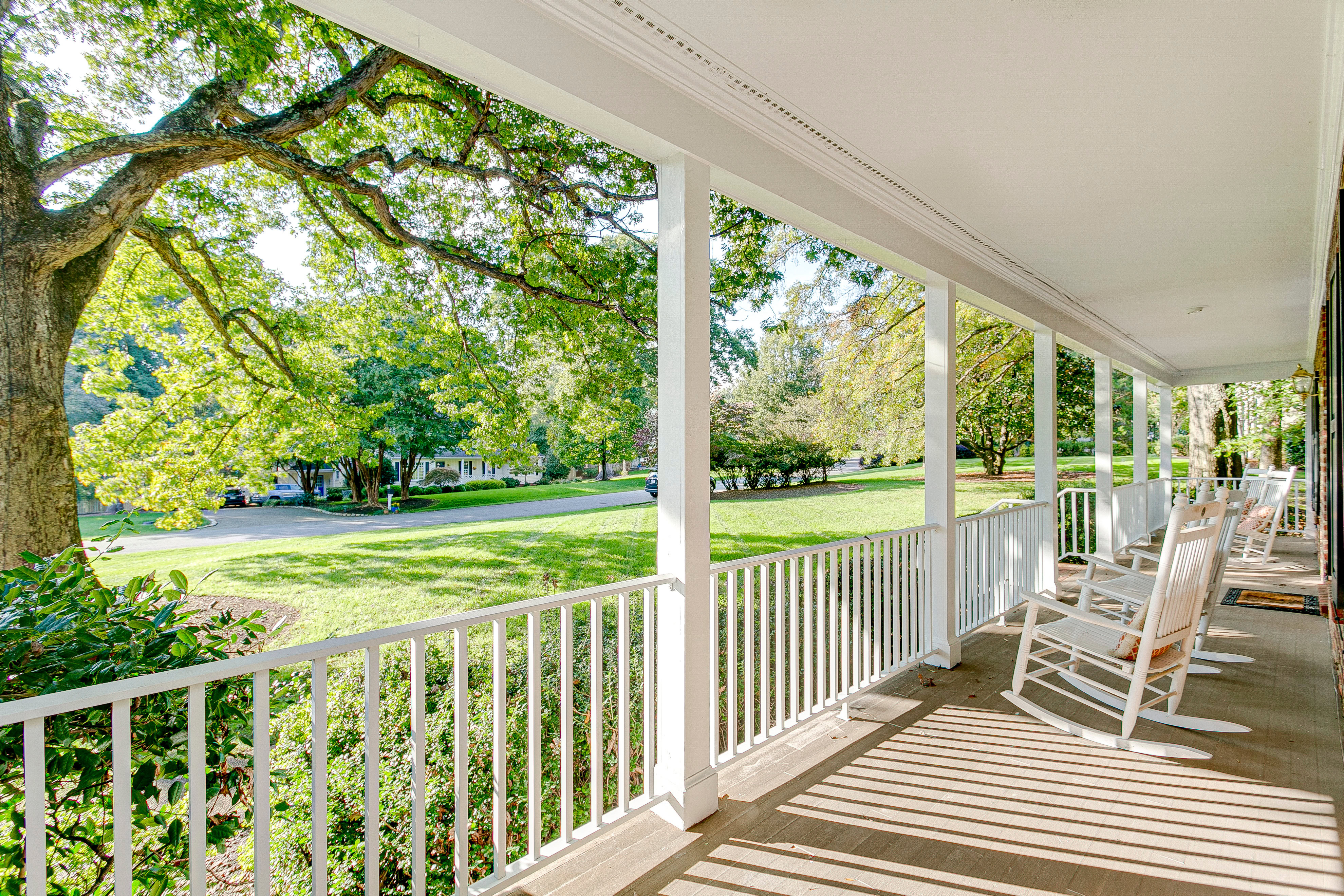
Home Buyer Scenarios
Find Your Path to Homeownership
Every home buyer’s situation is unique, and we’re here to guide you no matter where you are in your journey. If your situation doesn’t match the scenarios below, our experienced loan officers are ready to explore custom solutions tailored specifically for you.
First Steps To Homeownership
First-Time Home Buyer Programs
Taking that first step toward homeownership can feel overwhelming, but you don’t have to navigate it alone. First-time homebuyer programs are designed to make homeownership accessible with options for low down payments, competitive rates, and educational resources to support you throughout the process.
View Our First Time Home Buyer Loan Options

Buying A Second Home Or Investment Property
Expand Your Real Estate Portfolio
Whether you’re purchasing a home away from home or building your investment portfolio, we offer specialized financing solutions for second homes and investment properties.
View Our Investment Property Loan Options

Home Loans For Military, Veterans And First Responders
Honoring Those Who Serve
We’re proud to support the heroes who serve our communities and country. We offer specialized loan programs designed to recognize your service and help you achieve homeownership with benefits you’ve earned.
View Our Military Home Loan Options
View Our First Responder Home Loan Options
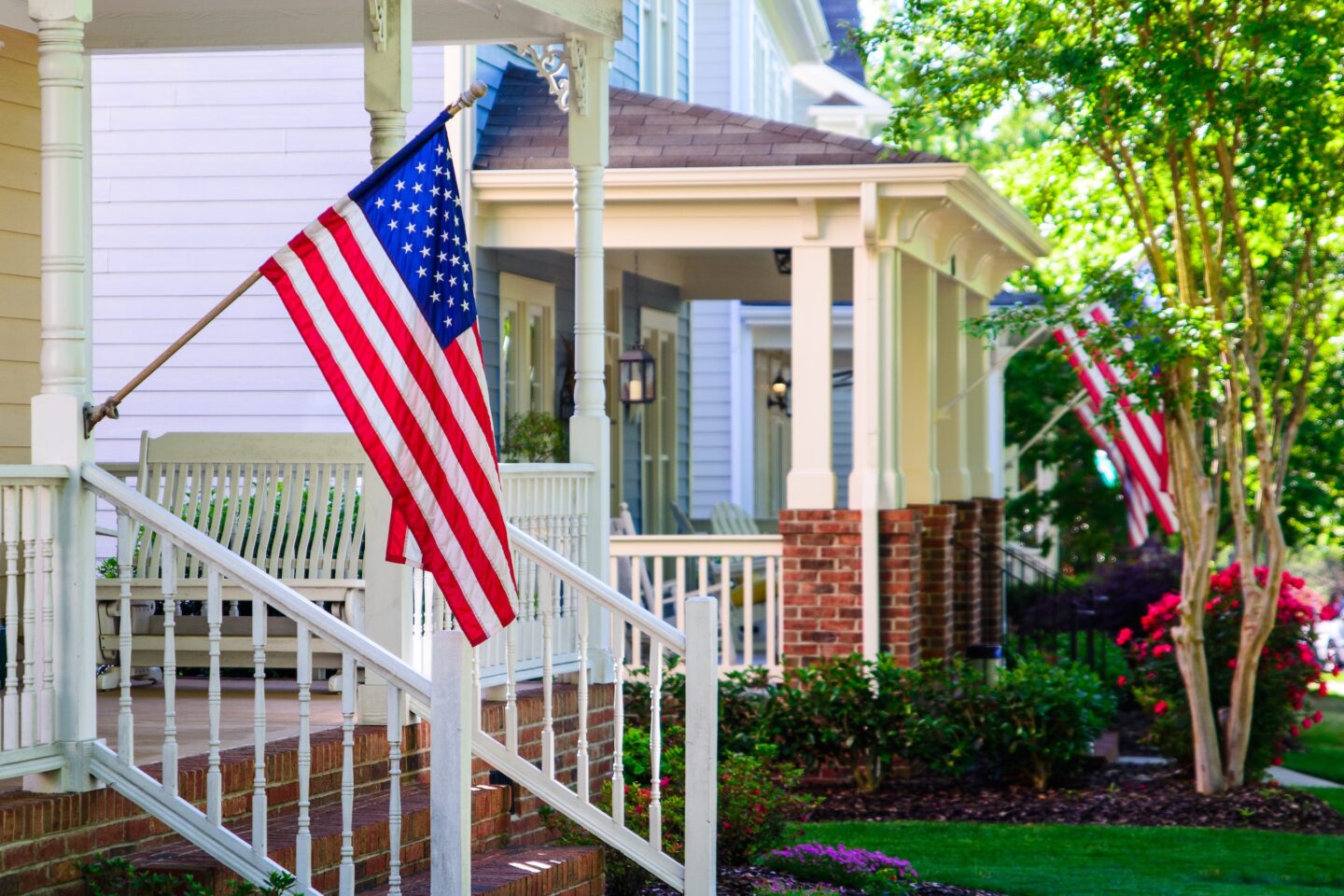
Buying A Home Self Employed
Financing Solutions for Entrepreneurs
Being self-employed shouldn’t limit your homeownership opportunities. We understand the unique challenges entrepreneurs face when qualifying for traditional mortgages, and we offer alternative documentation programs designed specifically for self-employed borrowers.
View Our Self-Employed Home Loan Options

Home Loan For Rural Area
Rural Homeownership Made Possible
Rural communities deserve access to affordable homeownership opportunities. Our rural lending programs, including USDA financing, help make homeownership accessible in eligible rural and suburban areas with competitive rates and flexible terms.
View Our Home Loans for Rural Areas
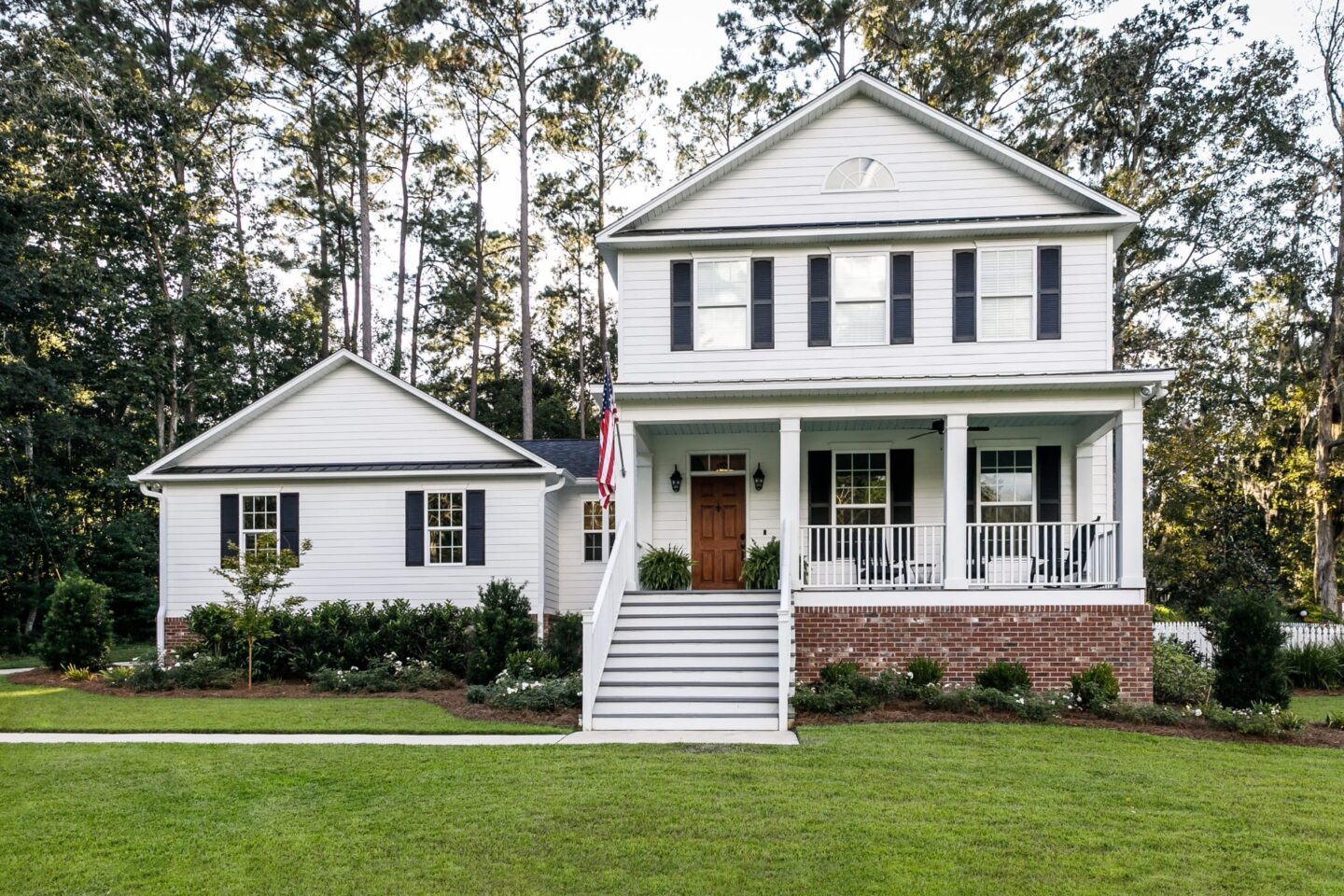
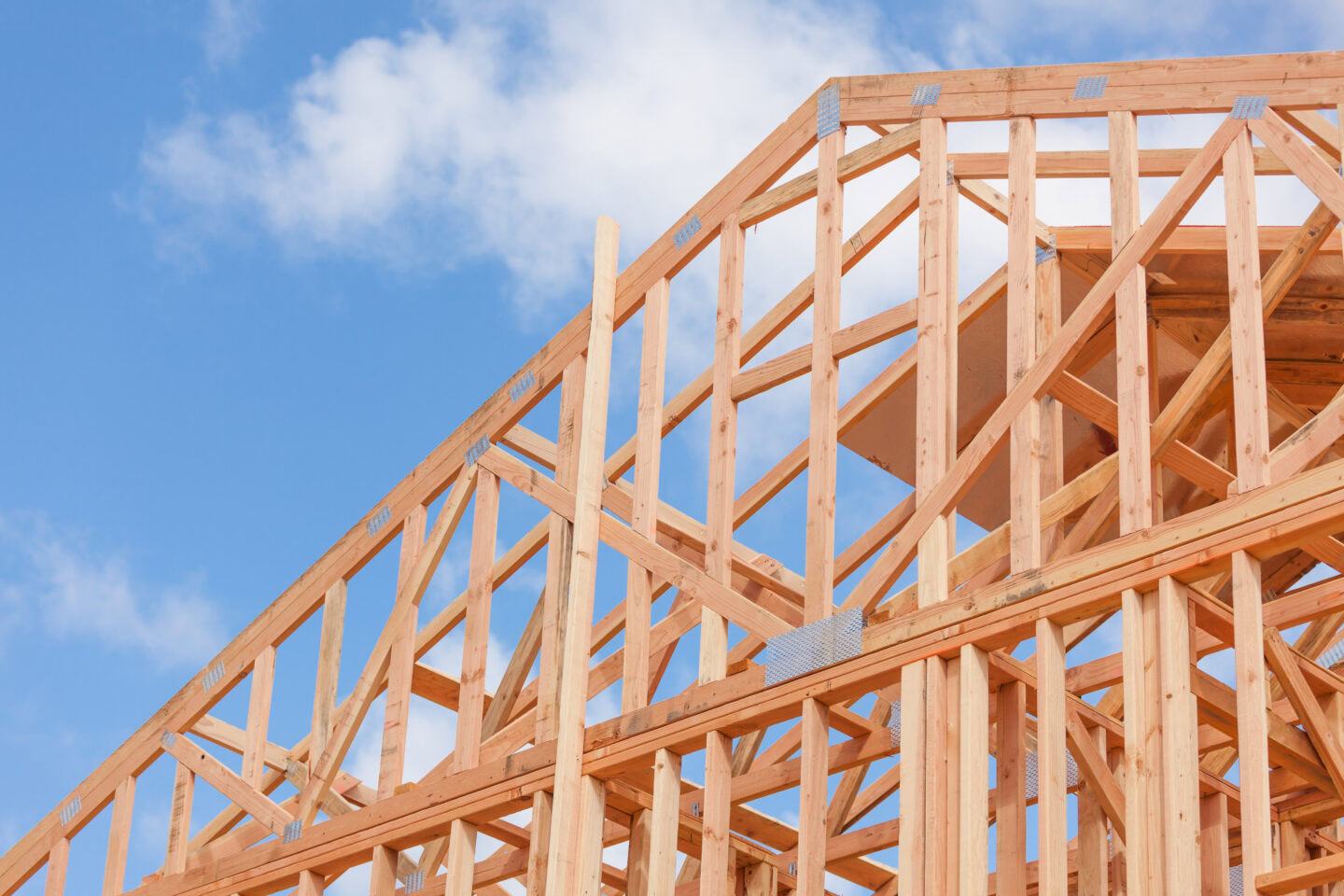
Construction and Renovation Loans
Build or Renovate Your Dream Home
From custom new construction to major renovations and energy-efficient upgrades, our construction lending team provides specialized financing solutions with the expertise and support you need.
View Our Construction and Renovation Loan Options
Additional Loan Options
Specialized Financing Solutions
Beyond traditional mortgage products, we offer specialized financing options to meet unique home buying situations and help more people achieve their homeownership goals.
No Down Payment Home Loans
We believe upfront costs shouldn’t hold you back from homeownership. These options offer 100% financing—so you can get the keys without the wait.
Low Down Payment Home Loans
Buying a home is a big step and we’re here to help make it easier. These programs reduce your down payment and offer extra support where it matters most.
Jumbo Home Loans
Looking for more room to live, grow, or dream? Our jumbo loans help finance higher-priced homes.
Disaster Relief Home Loans
When disaster strikes, we show up with real solutions. These special loan programs are designed to help you rebuild, recover, and move forward.
Savings Options
These loan options are designed to help you lower upfront costs or monthly payments so you can buy with more confidence and less stress.
Second Mortgage / HELOC
A home equity line of credit (HELOC) is a second mortgage that lets you access a flexible line of credit, secured by the equity in your home, with an adjustable interest rate.
Home Buying Tips
What to Know Before You Buy
Our team has helped thousands of homebuyers navigate the process successfully. Here are some essential tips to help you prepare for your home purchase journey.
Start saving for your down payment as early as possible
Even though there are many options that allow as low as a 5% down payment, it is significantly better to have more money up front than less. Be sure to know how much home you can afford before determining how much money you have to save. If you plan to only save 5% of your down payment, keep in mind that 5% of $200,000 is $10,000. In addition, Putting down less than 20% may mean higher costs and paying for private mortgage insurance (PMI). Know how much down payment you need, set a goal, and work hard to reach that goal.
Budget for closing costs
Whether you plan to pay for the closing costs up front or are planning to roll them into your mortgage, you need to have an idea of how much your closing costs will be. Be sure to do some research yourself and shop around and compare prices for certain closing expenses, such as homeowners insurance, home inspections and title searches. Also, never be afraid to ask the seller to pay for a portion of your closing costs or negotiating your real estate agent’s commission. Closing costs typically run between 2%-5% of the total loan amount.
Know what type of property you want to buy
Now that you have your budget, it’s time to consider what type of property you want to purchase. If you already have your heart set on a single-family home, then you know you’ll be getting a lot more room with more maintenance. On the flip side of that, you may want to have less work and more amenities, which would steer you toward a condo or town-home.
Know the difference between mortgage pre-approval and mortgage pre-qualification
Pre-Approval: Getting preapproved for a home loan requires more documentation, verification and time than a mortgage prequalification process.
- Requires complete mortgage application (excluding property address)
- Credit report pulled
- Information submitted to automated underwriting system
- Borrower provides documentation of income and assets (e.g. paystubs, tax returns, bank statements, etc.)
- Lender reviews and verifies all information
- Lender issues a Preapproval Letter subject only to:
- a satisfactory property appraisal
- general closing conditions (e.g. evidence of hazard insurance)
- No material change in information used to issue pre-approval (e.g. new debt, job loss, etc.)
Pre-Qualification: Getting a mortgage prequalification is a simpler process than getting a home loan preapproval and yet still demonstrates you are serious about buying a home to both realtors and sellers.
- Requires discussion with mortgage lender about your monthly income and liabilities
- Credit report may be pulled
- Does NOT include submitting a full mortgage application, income documentation nor any verification
- Lender issues a Prequalification Letter based on what you have told them
At GMFS Mortgage, we find that the vast majority of our borrowers opt for getting prequalified for a mortgage because it is a faster process than getting pre-approved for a mortgage and therefore allows you to begin shopping sooner for your dream home knowing your prequalification letter allows them to make purchase offers with confidence.
Stay under your pre-approved or pre-qualified approval limit for your home loan
Understand that while you can technically buy a home for your maximum pre-approved or prequalification amount, it is the ceiling of your mortgage limit. Instead of maxing out that amount, leave some room for unexpected expenses.
Be prepared to compromise
Don’t get caught up in the paint color, the blind choices, or the terrible wall paper choice. These things are easily and inexpensively changed after buying a home. Think carefully about what is a need and what is a want when negotiating. You NEED to make sure the seller replaces the broken air conditioner, you WANT the color in the living room to be almond instead of yellow.
Don’t forget homeowners and flood insurance
Before you close on your new house, your lender will require you to buy homeowners insurance. Shop around to compare for the best price offering the most coverage with a deductible that makes sense for you. Keep in mind that homeowners insurance is not the same as flood insurance. Even if flood insurance is not required for your property, consider the peace of mind offered for the low annual cost. Note that most flood insurance policies only cover your main home structure (not detached buildings) and that contents coverage is typically an optional add-on.
Check your credit score
Your credit score is one of the key factors in determining what type of mortgage and the interest rate for which you qualify. As soon as you know you may want to buy a home, begin work on your credit score. Dispute any errors on your credit report and get them resolved as quickly as possible. Also, do NOT open nor close any accounts within at least six months of applying for a mortgage.
Budget for move-in costs
In addition to insurance, inspections, home title, real estate agent’s commission, and all of the other costs involved in buying a home, many people forget that the actual moving process costs money. Be sure to save enough money for things such as cleaning supplies, food to restock your cabinets and refrigerator, new rugs, paint, and anything that you would like to change cosmetically to the home.
Research mortgage options
Did you know that a 30-year, fixed rate mortgage isn’t the only option for purchasing a home? If you can afford larger monthly payments, you can get a lower interest rate with a 20-year or 15-year fixed loan. Or you may prefer an adjustable-rate mortgage, which is riskier but guarantees a low interest rate for the first few years of your mortgage. Speak with a GMFS Mortgage Loan Officer to determine what is best for you and your future. Loan Options
Hire the right realtor
Buying a home is stressful enough without having to do your realtor’s job. You need to hire someone who you can get along with and who will work for you! The right realtor should know exactly what you’re looking for, take you to open houses, and schedule home viewings around your schedule.
Consider more than the obvious
- How long will this home and location meet your family’s needs?
- Is the property in a flood zone?
- Is there any pending new construction or zoning changes that may effect your property value or view?
- Is there any pending new construction or zoning changes that may effect your commute time?
- What is the area like after dark, after a heavy rain and during other seasons?
- Have you researched crime reports and statistics for the area?
- How important is the quality of local schools to you and to potential future buyers?
- If new construction, have you properly budgeted for window treatments, furniture needs, fencing, yard care, landscaping, etc.?
- If there is a Home Owner’s Association have you considered the cost of dues and understand the community rules & restrictions?
- If the home is more than 9 years old, are you prepared for potential major maintenance costs (e.g. appliances, AC, pool, roof, etc.)?
Make a strong offer, but be prepared to negotiate
Your realtor should be experienced and will guide you through the negotiation process. A lot can be up for negotiation in the homebuying process, which can result in major savings. Are there any major repairs you can get the seller to cover, either by fully handling them or by giving you a credit adjustment at closing? Is the seller willing to pay for any of the closing costs? Will it be mutually beneficial to you and the seller to either close sooner or later than normal? If you’re in a buyers market, you may find the seller will bargain with you to get the house off the market. During negotiations try to keep your emotions in check and not take things personally, keeping in mind that at some time in the future your role may be opposite and as a seller you will want to maximize the price you can get for your home.
Know what is included on your home inspection
After your offer is accepted, you will need a home inspection. However, not all inspections test for mold, radon, pests, etc. Be sure to know what’s included. Don’t be afraid to ask your inspector to take a look — or a closer look — at something and ask questions. In addition to a professional home inspection, conduct your own inspection. Is the water pressure adequate upstairs? Will you need to replace some flooring? Are there any leaky faucets? Any electrical issues with lots of appliances running at the same time? Any evidence of termite damage or treatment? Any evidence of water damage to the interior/attic ceilings, walls or floors?
Mortgage Resources
Tools to Empower Your Decision
Access our comprehensive library of educational resources, calculators, and expert insights to help you make informed, confident decisions throughout your home buying journey.
Mortgage Calculators
Calculate Your Options
Use our mortgage calculators to estimate your monthly payments, determine how much you can afford, and explore different financing scenarios before you apply.
Mortgage FAQs
We’re Here With Answers
We’re here to make it make sense with honest answers and guidance that’s easy to understand. Check out these answers to frequently asked questions about the mortgage process, qualification requirements, and what to expect when working with GMFS Mortgage.
What is an escrow account for mortgage holders?
Escrow generally refers to money held by a third-party on behalf of transacting parties. The escrow account is separate from the mortgage account where deposit of funds occurs for payment of certain required conditions such as state and local property taxes and insurance (e.g. homeowners and flood).
Many mortgages are set-up so that the monthly payment includes a dollar amount to keep your escrow account properly funded to pay estimated annual costs of your property taxes and mortgage related insurances. Keep in mind that the amount needed in your escrow account can change year to year (even if you have a fixed rate loan) if GMFS is informed of changes in tax assessments of your property (state or local) and/or changes to your homeowner or flood insurance policy rates.
For more info please visit the GMFS Mortgage Customer Service site.
Why did my monthly mortgage payment increase?
If your monthly mortgage payment goes up unexpectedly, such as with a fixed rate loan, it is typically due to a change regarding your escrow account used by GMFS to pay estimated annual costs of your required state and local property taxes, as well as, mortgage related insurances (e.g. homeowners and flood).
Around the beginning of a new calendar year, GMFS gets informed by state and local governments of any changes to your property tax assessments. In addition, your homeowners insurance and/or flood insurance vendors may notify GMFS of changes to your annual policy rates. Once updated, we may then have to adjust your monthly payments to ensure that there will be enough money in your escrow account to pay last year’s or next year’s taxes and insurances.
Your mortgage statement will show the different costs that are covered by your monthly mortgage payments (e.g. mortgage insurance or “MI” which protects the lender against default, property taxes, insurances, etc.)
For more info please visit the GMFS Mortgage Customer Service site.
For more info please visit the GMFS Mortgage Customer Service site.
Know the difference between mortgage pre-approval and mortgage pre-qualification
Getting preapproved for a home loan requires more documentation, verification and time than a mortgage prequalification process. Getting a mortgage prequalification is a simpler process than getting a home loan preapproval and yet still demonstrates you are serious about buying a home to both realtors and sellers. Learn more about the difference between being pre-approved for a mortgage vs. pre-qualified for a mortgage.
What is the difference between getting pre-approved and pre-qualified for a mortgage?
Understand that while you can technically buy a home for your maximum pre-approved or pre-qualification amount, it is the ceiling of your mortgage limit. Instead of maxing out that amount, leave some room for unexpected expenses.
Wondering if you’re qualified to become a homeowner?
There are a range of home loan programs with varying minimum qualifications and features such as low to zero minimum down payment. Depending on your goals, you more than likely qualify for at least one of the home purchase products. If not, our skilled Loan Officers can help you with a game plan to get qualified in the near future. You are probably closer than you think. Get Started with a free, no obligation consultation with an experienced GMFS Mortgage Loan Officer.
What do I need to know about my credit score and how do I check it?
Your credit score is one of the key factors in determining what type of mortgage and interest rate you qualify for. Of course, the higher your score the lower rate and more options that you may have. However, there are lots of programs available where lower credits scores are acceptable and you can accomplish your dream of home ownership. Some of these options even offer very little or no down payment.
You are entitled to order a free copy of your credit report every 12 months from each of the major credit reporting agencies (Equifax, Experian, and TransUnion) through www.AnnualCreditReport.com. This site is the only one that is government authorized to provide you with FREE copies of your credit report. Dispute any errors on your credit report and get them resolved as quickly as possible. Also, do not open any new accounts within at least six months of applying for a mortgage.
You can also contact the credit agencies directly if you need to dispute information in your report, place a fraud alert or security freeze on your credit file, or have other questions:
- Equifax.com or by phone at 1-866-349-5191
- Experian.com or by phone at 1-888-397-3742
- TransUnion.com or by phone at 1-800-916-8800
For more tips about building or improving your credit, Get Started with GMFS Mortgage.
How much do I need for a down payment?
Several home loan programs now have minimum down payment options ranging from 0%-3% of your loan amount. Keep in mind, the total cost of your financing decreases as your down payment amount increases. You should also know that for down payments of less than 20% on conventional home loans, private mortgage insurance (PMI) will be required.
That being said, there are circumstances when the lower down payment options make sense as well. Your GMFS Mortgage Loan Officer can review the best options for your situation and also let you know if there are any homebuyer assistance programs featuring non-repayable grants, available in your area that you qualify for. Get Started
How does student loan debt affect your ability to become a homeowner?
Having student loan debt does not automatically preclude you from qualifying for a home loan. As with any financing, your Debt-to-Income (DTI) Ratio is a significant factor in qualifying for a loan. Certain home loan programs weigh student loan debt differently when calculating your DTI. Your GMFS Mortgage Loan Officer can review the best options for your situation. Get Started
How does GMFS Mortgage handle pre-payment penalties?
GMFS Mortgage does not charge pre-payment penalties on our home loans.
How do I know how much home I can afford?
You can contact us for a free consultation or use our complimentary mortgage calculators to help you determine how much home you can afford and more.
What documents will I need to apply for a mortgage?
Please visit our Loan Documents page for more information, including a downloadable PDF of commonly requested home loan documents.
What is PMI (Private Mortgage Insurance) and can it be cancelled?
If you make a downpayment of less than 20% or are refinancing your first mortgage with less than 20% equity, you will be required to have PMI (Private Mortgage Insurance). This insurance premium is typically included in your monthly mortgage payment. The PMI policy protects the mortgage lender if the borrower does not repay (defaults) the mortgage. More details about removing or cancelling PMI.
What will my mortgage interest rate be?
Interest rates for home loans are based on a variety of factors such as the loan purpose, your credit history and ability to repay, the value of the collateral and the loan amount. Mortgage rates also vary daily and sometimes hourly based on market conditions.
Should I choose a fixed or adjustable interest rate?
A fixed-rate mortgage is typical for homebuyers who plan on staying in the home for more than seven years. A fixed-rate mortgage offers predictable payments and long-term protection against rising interest rates.
An adjustable-rate mortgage (ARM) is attractive to homebuyers who plan on staying in the home for seven years or less. With an ARM, your monthly payments have the potential to fluctuate each time your interest rate changes.
GMFs Mortgage Calculator: Which is better: fixed or adjustable?
What is the difference between a “locked” rate and a “floating” rate?
A rate lock “locks in” your interest rate for a period of time. Rate locks are typically available for 30, 45, or 60 days, in which your rate will not change.
A floating rate moves up and down with the rest of the market. Please note, the interest rate on your Loan Estimate is not a guarantee. If there are changes in your application—including your loan amount, credit score, or verified income—your rate and terms will most likely change too. In those situations, you will receive a revised Loan Estimate.
What are the benefits of refinancing my home?
Refinancing is attractive to homeowners who are interested in paying off high-interest-rate debt, shortening their length of repayment term or lowering their monthly mortgage payment.
Here are some typical scenarios when refinancing with GMFS Mortgage may make sense:
- Mortgage interest rates are falling
- Your home has significantly appreciated in market value
- You’ve been making payments on your original 30-year mortgage for less than ten years
- You have equity in your home and need to consolidate debt or need additional cash
Note: If you refinance your existing loan, your total finance charges may be higher over the life of the loan.
Do I need to have my house appraised in order to refinance?
Typically, yes. However, depending on your circumstances, an appraisal may not be required.
What are the benefits of construction and renovation loans?
If you’re interested in building, remodeling or repairing a home, you will not need to take a second mortgage or come up with additional capital. You will be able to begin construction on the new home immediately after closing on a loan.
- You can borrow based on the expected value of the upgraded home.
- Typically, your interest rate will be lower and you’ll have a longer period of time to repay the loan.
- The interest, including cost for renovation, is tax deductible.
GMFS Mortgage Construction & Renovation Loans
What if I have an insurance claim for damages to my home?
Because your home serves as the collateral for your mortgage until the loan balance is paid off in full, your mortgage lender should always be made aware of any damage to your home that effects the value. Your mortgage lender should be also be a co-payee on any insurance claim check related to repairing your home (e.g. due to damage from fire, flood, wind, etc.). Mortgage loan programs have specific guidelines for the process mortgage lenders must follow to ensure that insurance claim check proceeds are actually used to restore the home and it’s value in a timely manner.
Notify Your Mortgage Lender of Insurance Claim:
www.insuranceclaimcheck.com or (888)528-0454
What Sets Us Apart
A Lender Who Cares
With GMFS Mortgage, you’re not just getting a loan—you’re getting a team that’s all in, every step of the way.
Established
Since 1999, we’ve helped over 150,000 people across 23 states become homeowners.
Efficient
Everything from processing to closing happens under one roof. That means fewer hiccups…and more high-fives.
Trusted
A+ BBB rating. Torch Award for Marketplace Trust. A reputation built on doing the right thing.
Experienced
Our team averages 14+ years in the industry—and a lifetime of showing up for our clients.
Not a commitment to lend. All loans subject to credit and property approval. The following terms are for illustrative purposes only. Rates, payments, and loans terms vary by consumer based on their individual qualifying information. The payment amount illustrated does not include the amounts for taxes, property insurance, or mortgage insurance.
A 30 year fixed rate loan with 360 equal payments, at a 90% LTV loan, resulting in a 10% down payment, and an annual percentage rate of 4.75% will have a monthly principal and interest payment of $1,043 per month. This payment does not include the amounts for taxes, property insurance, or mortgage insurance.

Let’s Talk
Here to Help Make Home Happen
Our team of experienced mortgage professionals is ready to guide you through every step of your home financing journey. From application to closing, we’re committed to providing the personal attention and expert support you deserve.